

BREAKING: Trump's IRS Fraud Scheme Was Just EXPOSED by a Judge

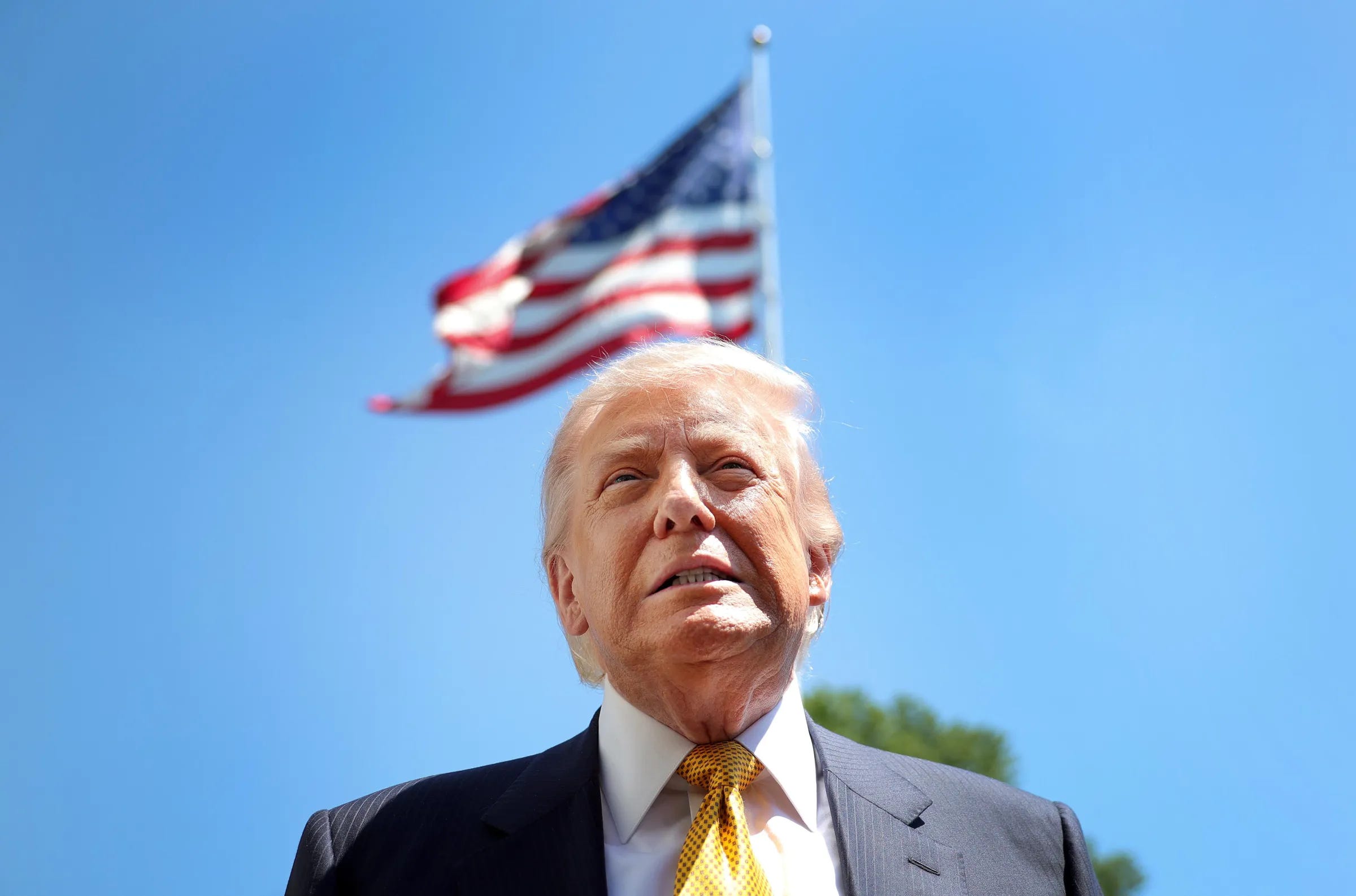
Donald Trump sued the IRS for $10 billion. Then his own Justice Department settled that lawsuit, on terms extraordinarily favorable to Trump. A federal judge looked at the arrangement and called it exactly what it was: a scheme to manufacture legal cover for a deal that had no basis in law.
Trump is now appealing that ruling. The obvious question is why he’d bother, since he already says the benefit from the deal is dead.
How This Started
During Trump’s first term, a contractor leaked his tax returns. Six years later, Trump sued the IRS over that leak, seeking $10 billion in taxpayer money. In May, he voluntarily withdrew that lawsuit. Shortly after, his own administration announced his reward for dropping it: a $1.766 billion compensation fund, quickly labeled a “slush fund” by members of both parties, intended to benefit the White House’s political allies.
The settlement also included a separate provision protecting Trump, his family, and his companies from IRS scrutiny on pending tax claims.
The president sued a federal agency. That agency, run by his own administration, then agreed to give him and his allies nearly $1.8 billion and shield his family from future tax audits. That is the deal a federal judge was asked to review.
What the Judge Found
U.S. District Judge Kathleen Williams ruled July 13 that the lawsuit was never really about the tax return leak at all. It was, in her words, brought to provide “judicial legitimacy for a ‘settlement’ that had no viable basis in law or fact.”
Williams’ order did more than reject the deal. She voided the settlement agreement entirely as evidence of anything valid, and specifically barred the parties from even referring to it as a “settlement.” She also issued sanctions and a disciplinary referral against Trump’s lawyer, ordering copies of her order sent to the New York and D.C. bar associations, the same bar associations that count acting Attorney General Todd Blanche and attorney Stanley Woodward as members.
A federal judge did not just say the lawsuit was weak. She said it was a manufactured pretext, sanctioned the lawyer who brought it, and reported him to the bar.
Trump Is Appealing Anyway
Trump, two of his adult sons, the Trump Organization, and two of their attorneys filed notice Friday that they are appealing Williams’ ruling to the U.S. Court of Appeals for the 11th Circuit.
That raises an obvious question. Trump has publicly acknowledged the $1.776 billion fund is dead. If the fund is gone, what does he actually gain by fighting to preserve a settlement a federal judge already ruled had no legal basis?
The most direct answer is what the settlement also included: audit protection for Trump, his family, and his companies. Overturning Williams’ ruling wouldn’t resurrect the fund. It would restore the part of the deal that shields the president’s own finances from IRS scrutiny.
What Trump Said About It
Trump has not been shy about his frustration. “The fund is dead, but, you know, I wish it weren’t,” he told reporters at a Cabinet meeting at Camp David on Friday, before pivoting to complaints about supporters he says have been mistreated by federal law enforcement.
He did not answer when asked directly whether he’d agree to narrow the audit protection terms of the deal for himself, his family, or his company.
His Own Party Doesn’t Trust Him on This
This is where the story becomes about more than one lawsuit. Republican senators are actively blocking one of Trump’s own nominees because they do not believe his assurances that the fund is really gone.
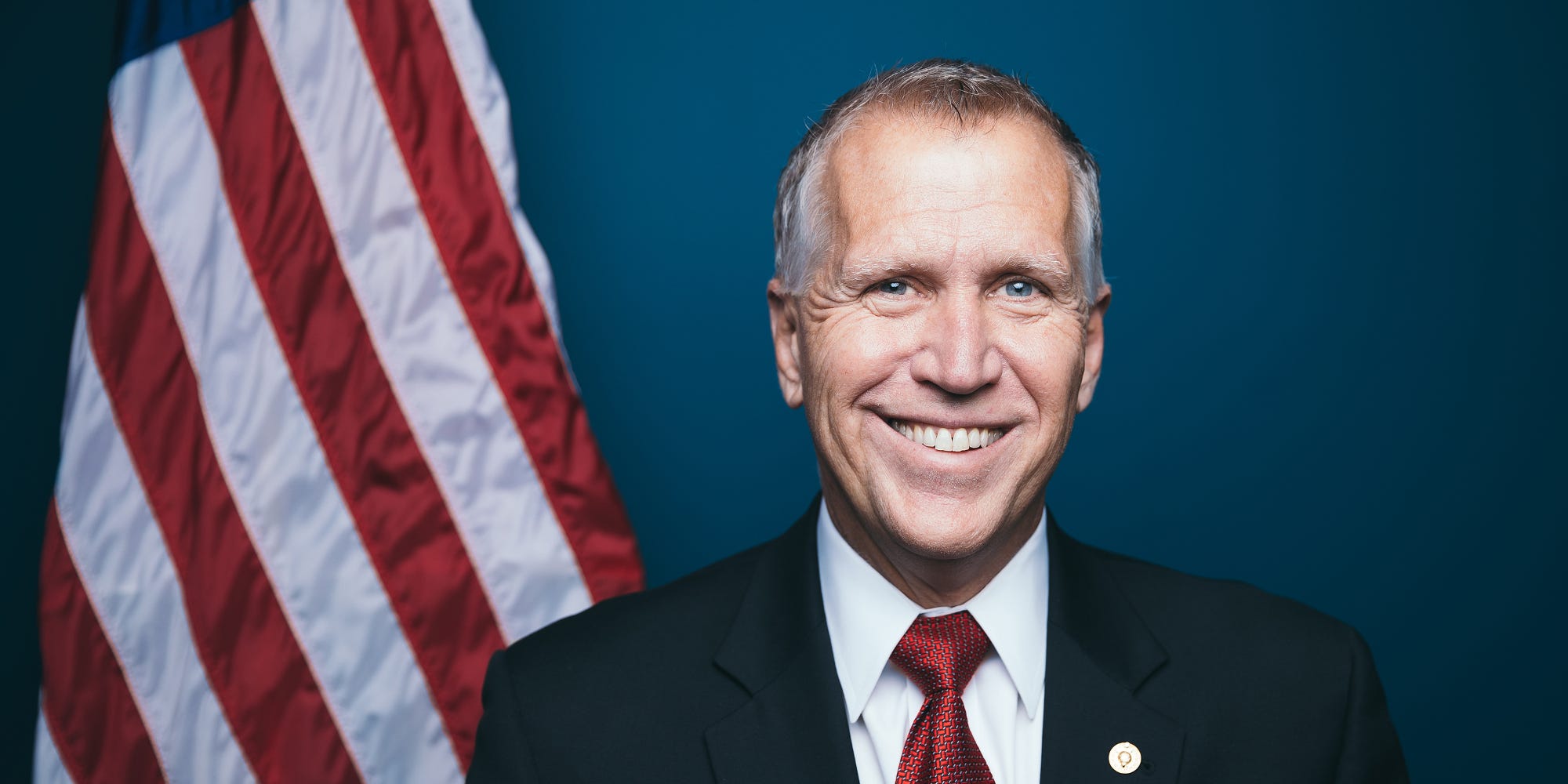
Sens. John Cornyn of Texas and Thom Tillis of North Carolina have demanded the Justice Department formally and permanently shut down the fund and narrow the audit protection deal before they will advance Todd Blanche’s nomination for attorney general. They say they still have not received that written assurance. Trump’s comments Friday, that he wishes the fund still existed, only deepened their suspicion that he intends to revive it later if given the chance.
Two Republican senators are holding up the president’s own attorney general nominee because they do not trust the president’s word that a taxpayer-funded slush fund benefiting his allies is actually gone.
The Bottom Line
A federal judge ruled that Trump’s $10 billion lawsuit against the IRS was a sham built to launder an unlawful settlement into something that looked legitimate. She sanctioned his lawyer and referred him to two state bar associations. She voided the deal.
Trump is appealing that ruling anyway, even after publicly conceding the most talked-about part of the settlement, the $1.8 billion fund, is dead. Two Republican senators don’t believe he’s actually done trying to bring it back, and they’re using his own attorney general nomination as leverage to find out.
The appeal is filed. The audit protections are still in dispute. And the president who sued his own government is now fighting to keep the deal alive that a judge already said should never have existed.