


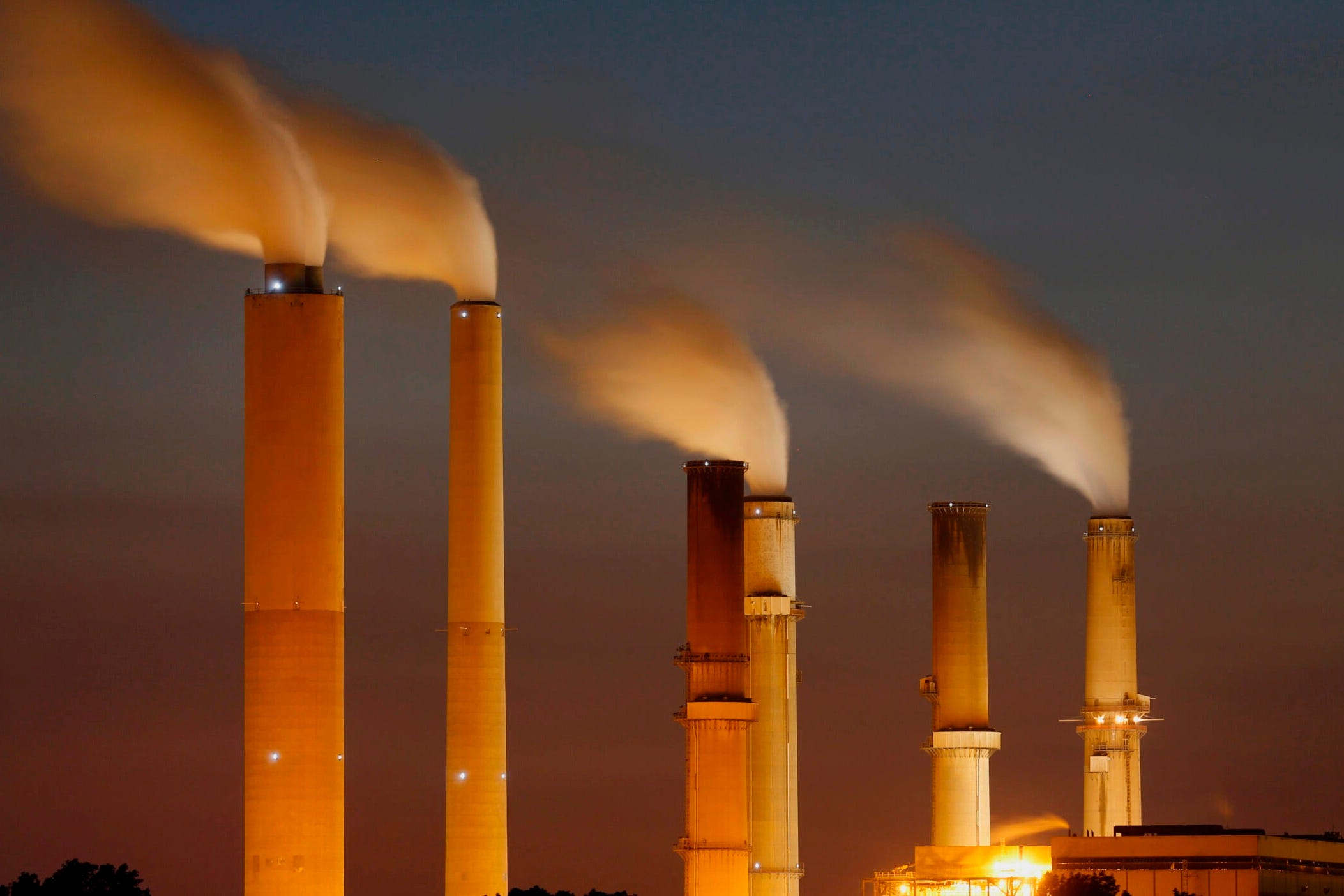
For over a decade, federal law has limited how much mercury, toxic heavy metals, and dangerous soot coal and oil-fired power plants can pump into the air. Those limits exist because mercury causes brain damage. Because these pollutants cause heart disease, cancer, and premature death. Because children living near coal plants pay the price first.
On February 20, Trump’s EPA repealed those protections.
What They Did
The EPA finalized a repeal of the 2024 Mercury and Air Toxics Standards, a move that allows coal- and oil-fired power plants to emit more brain-damaging mercury, other harmful heavy metals, and dangerous soot. Those emissions put the public at greater risk of heart and lung disease, cancer, and premature death.
The agency also eliminated a requirement that power plants install cost-effective systems to continuously monitor their own pollution output, stripping away one of the only real-time tools communities had for checking whether a plant near them was actually complying with air pollution standards.
Stronger limits. Real-time monitoring. Both gone, in the same rule.
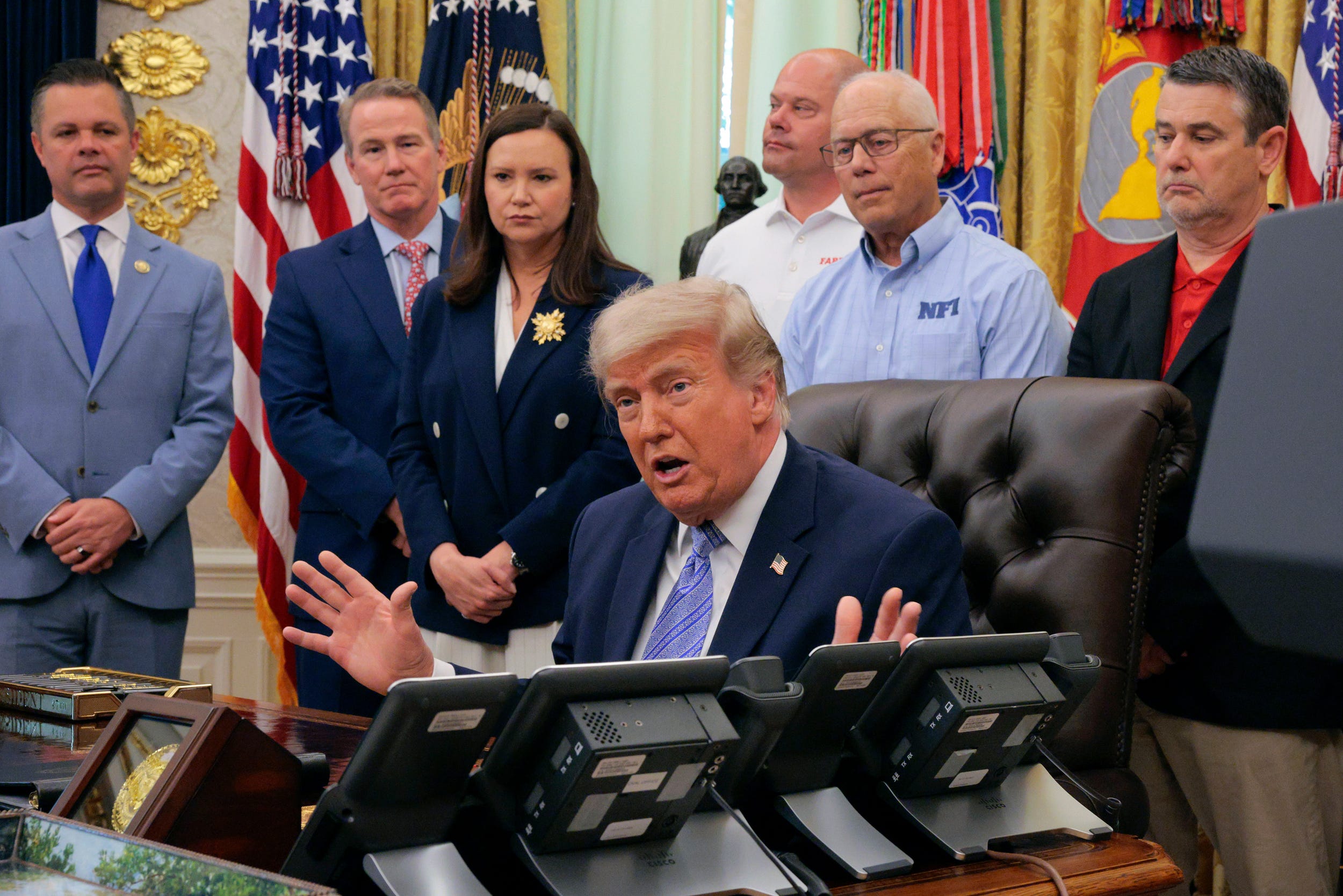
They Already Gave Polluters a Two-Year Head Start
This repeal did not come out of nowhere. It is the second step in a process that began months earlier.
The rollback follows a two-year exemption the Trump administration granted to some of the nation’s dirtiest power plants, many of which had already demonstrated they could meet the 2024 standards. In other words, the EPA excused plants from following a rule they had already shown they could follow, then repealed the rule entirely so they would never have to.
For most covered facilities, meeting the 2024 standards simply required tuning up pollution controls they already had installed. Most plants had met the tighter limits, or were on track to. The EPA scrapped the requirement anyway.
Who This Protects
The stated justification is economic. The people defending this rollback are almost entirely on one side of it: an aging coal industry that cannot compete with cheaper, cleaner alternatives like wind and solar.
This rollback is part of the administration’s broader effort to prop up aging coal plants, even as cheaper, cleaner energy sources dominate new development nationwide. Rather than let the market work, the EPA is loosening pollution standards specifically to keep old, dirty plants economically viable a little longer.
What This Means for Public Health
Every environmental and legal group tracking this rollback described the same outcome, using strikingly similar language: more sickness, more death, concentrated in the communities that already live closest to these plants.
Surbhi Sarang, a senior attorney at Environmental Defense Fund, said repealing these protections will allow coal plants to pour more mercury and toxic pollution into the air, which then moves into water, food, and ultimately children’s bodies, calling it “a needless cruelty when modern pollution controls can provide greater safety.”
John Walke of NRDC said the move “will only lead to more asthma attacks, more heart problems, and more premature deaths, especially in communities living in the shadow of coal plants.”
Nicholas Morales, an attorney with Earthjustice, said the EPA is “wiping out health protections critical for protecting children from toxins like mercury just to save the coal industry some money.”
Concentrated Where It Will Hurt Most
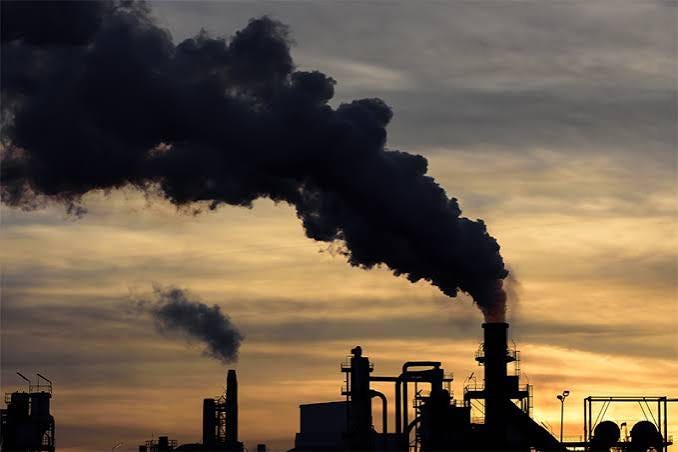
The communities that will absorb this decision are not spread evenly across the country. They are concentrated in specific regions that already carry the heaviest burden from coal power.
Brian Lynk, a senior attorney at the Environmental Law & Policy Center, said that with so many of the nation’s coal plants concentrated in the Midwest, the decision “sends an unmistakable signal that our communities are expendable.” He added that rolling back mercury protections “sacrifices public health to prop up a declining industry, even though it won’t change the fundamental economics driving coal’s decline.”
The Legal Case Against It
Advocates argue this repeal does not just harm public health. They argue it is unlawful.
Hayden Hashimoto of the Clean Air Task Force called the repeal “an unprecedented, unlawful, and unjustified reversal that flies in the face of congressionally mandated efforts to reduce hazardous air pollution from industrial facilities,” noting that the EPA has previously recognized power plants as the largest domestic source of mercury and hazardous air pollutants in the country.
The Bottom Line
Trump’s EPA repealed mercury and air toxics standards that most power plants had already met, eliminated the tool communities relied on to verify real-time pollution levels, and did it all to extend the life of a coal industry that is losing to cheaper, cleaner energy anyway.
Sierra Club’s Patrick Drupp put it plainly: “This is the complete opposite of making Americans healthy.” The people who will breathe the difference are children living near coal plants across the Midwest and beyond.
The rule is final. The pollution is legal now. The lawsuits are coming.