

BREAKING: Trump EXPOSED For Locking Up Hundreds of Babies in ICE Detention Camps


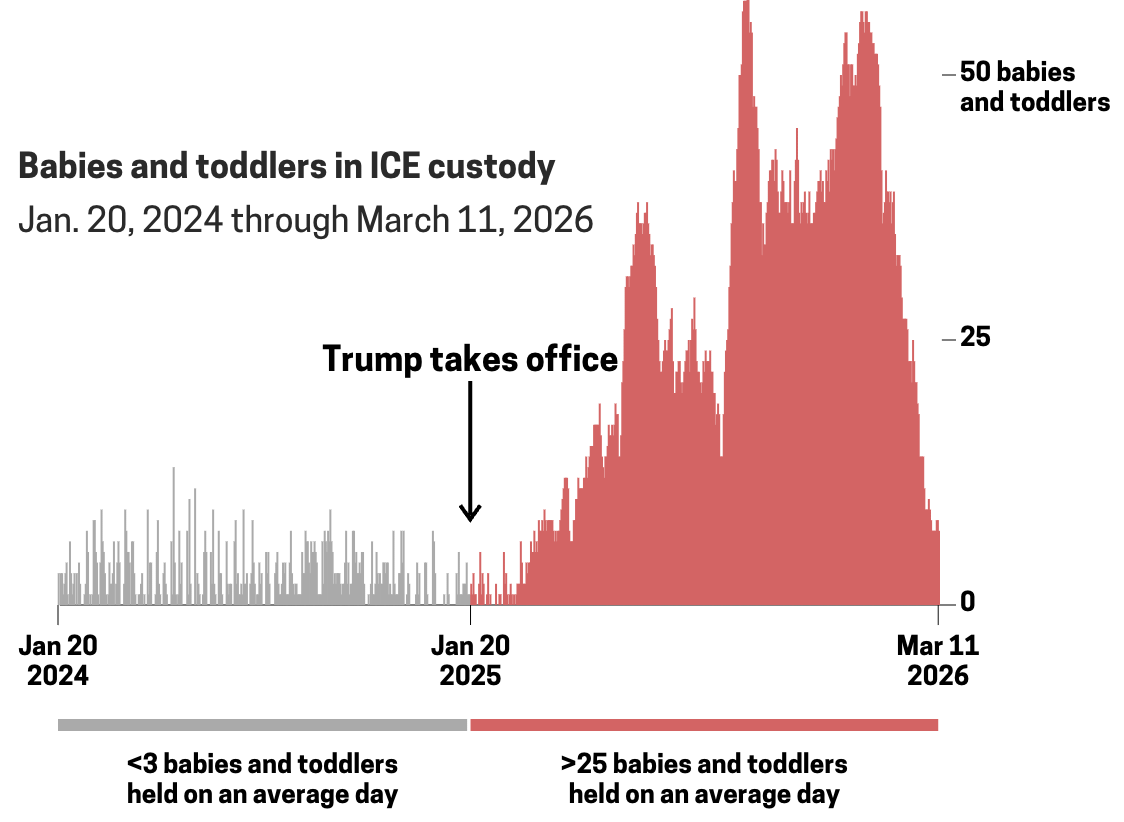
Since Trump returned to the White House, ICE has taken at least 500 babies and toddlers into custody. On any given day, 25 children aged three or younger are sitting in immigration detention facilities across the country. That number is ten times higher than it was under Biden.
There are children who stopped eating. Children who stopped speaking.
What Is Happening to These Children
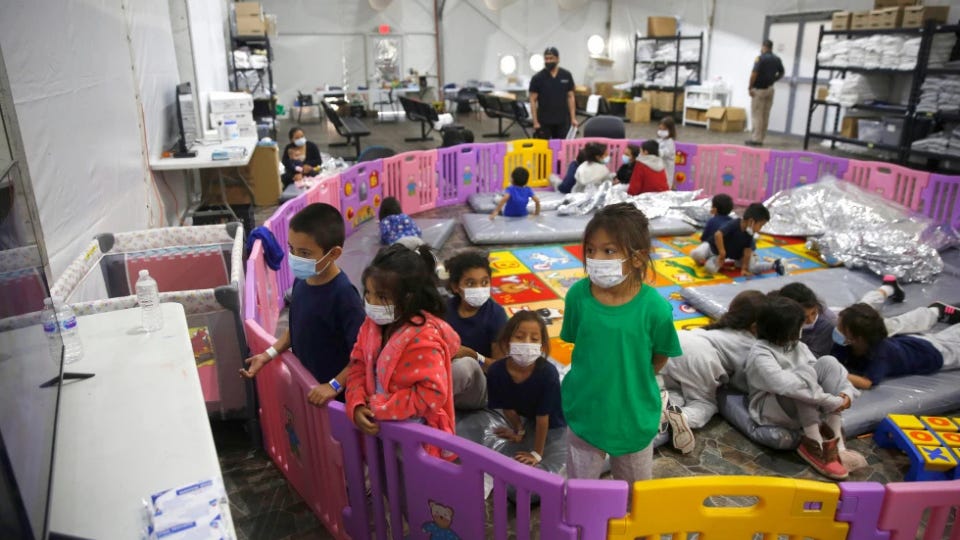
A 2-year-old named Kaleth was taken to the Dilley Immigration Processing Center in Texas after his family showed up to a routine check-in appointment. His father was handcuffed and taken away. Kaleth stopped eating for 12 days. Facility doctors attributed it to depression. He stopped having bowel movements. His mother watched his face grow gaunt and his eyes sink into their sockets.
A 1-year-old named Amir, whose family fled Russia fearing imprisonment for opposing the war in Ukraine, spent four months at Dilley. He began hitting himself in the face. He stopped developing speech. By the time his family was released, the only words he would say were “mom” and “dad.”
A 1-year-old named Amalia developed a fever and grew lethargic inside the facility. Her parents brought her to the medical clinic again and again and were given Tylenol and told not to complain. Her oxygen levels eventually dropped to dangerous levels. She was hospitalized for more than a week, diagnosed with COVID-19, pneumonia, bronchitis, an ear infection, and RSV simultaneously.
These are three children. There have been five hundred.
No Medical Care. No Legal Protection.
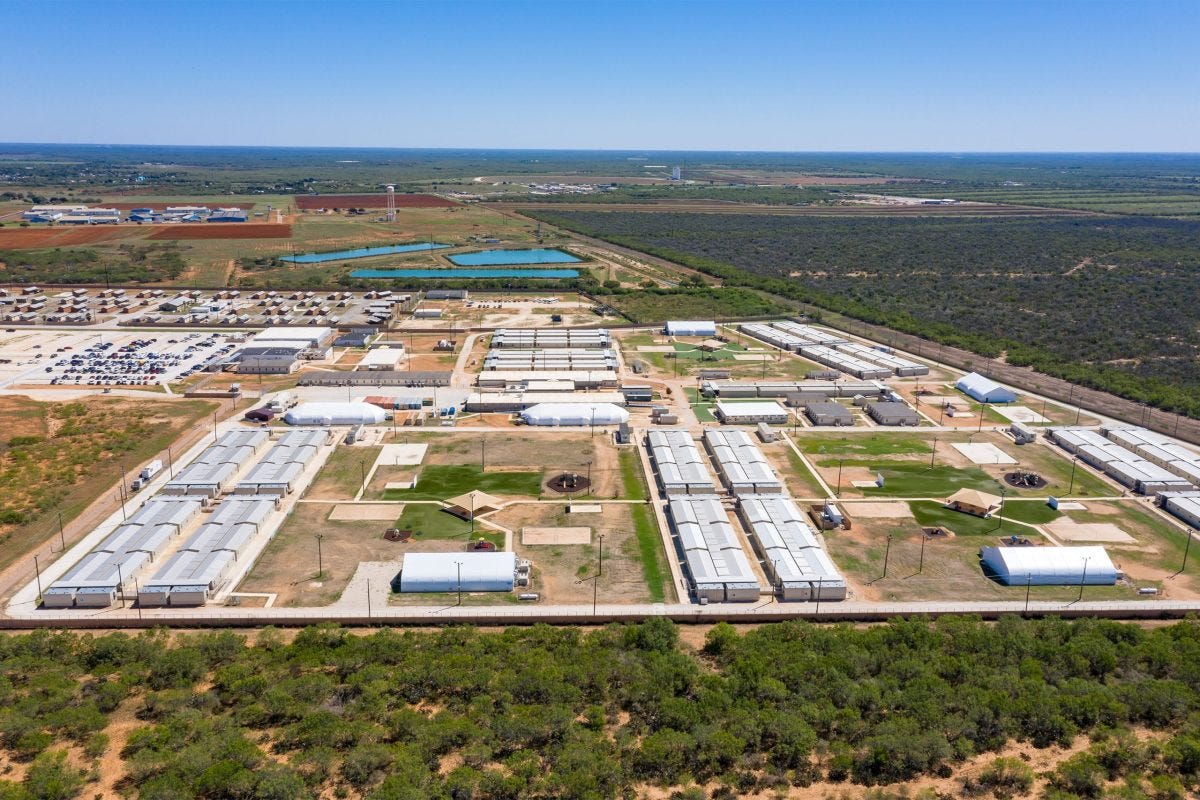
Columbia Law School professor Elora Mukherjee has represented more than 80 children and parents detained at Dilley in the past year. She says nearly every client in recent months has complained about inadequate medical care.
“Kids at this age get sick more easily because their immune systems haven’t developed,” Mukherjee said. “Having such young children in a prison setting with hundreds of other kids and parents just makes them repeatedly, constantly sick.”
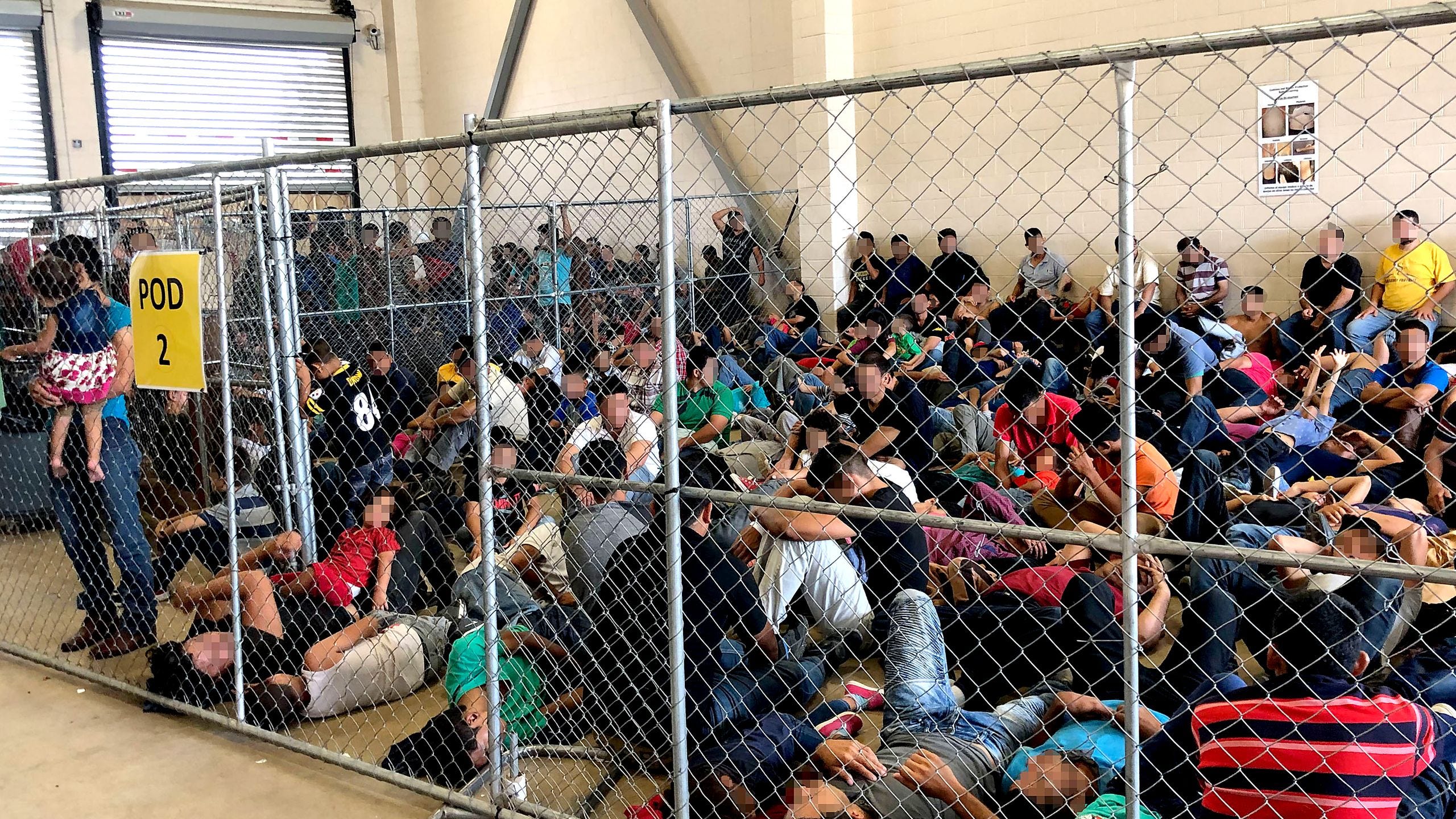
Parents have described waiting hours in line for basic over-the-counter medication. Mothers reported that stress and lack of nutritious food made breastfeeding impossible. Families said tap water smelled foul and made children sick. Parents of formula-fed babies said there was not enough clean bottled water to mix it properly, and purchasing extra water at the commissary was too expensive.
Lights in the facility stay on all night. Stuffed animals and security blankets are prohibited in sleeping areas.
At least 175 babies and toddlers were held beyond the court-mandated 20-day limit. During Biden’s last year in office, that number was zero.
The Science Is Not Ambiguous
Marsha Griffin is a pediatrics professor and co-founder of the American Academy of Pediatrics’ Council on Immigrant Child and Family Health. She called infancy and toddlerhood “probably the most harmful time of their lives to have them in detention.”
Psychologist Rahil Briggs of Zero to Three put it plainly. When children miss the foundational window of early brain development, it becomes harder to catch up across every area of learning and function. The effects on memory, language acquisition, and executive functioning can follow a child for life.
“Our immigration system is breaking children,” Griffin said.
The Trump administration’s response has been to call the facilities safe, dispute individual family accounts on social media, and issue statements about “appropriate food, water and medical care.” Lawyers for detained children called ICE’s claims in court filings “fanciful.”
This Is a Policy Choice
Biden ended family detention in 2021. The Dilley facility closed. Trump reopened it within weeks of taking office and restarted family detention as an explicit enforcement strategy.
Every baby in ICE custody right now is there because the current administration chose to put them there. Every toddler held beyond the legal 20-day limit is there because the administration chose to keep them. Every child who stopped eating, stopped speaking, or started hurting themselves did so inside a facility the administration decided to reopen and fill.
Lori Goodman, CEO of the nonprofit LEAP, has watched children come out of Dilley and slowly recover. She has also watched the ones who do not recover as quickly.
“The long-term damage caused by prolonged toxic stress, by essentially abusing these children, we’re going to see those effects for many, many years to come,” Goodman said. “It’s incalculable the amount of damage that is being done.”
Five hundred babies and toddlers. Twenty-five in custody today. More tomorrow.
The administration calls it border policy. The pediatricians, the psychologists, the lawyers, and the children’s own parents call it what it is: the deliberate harming of children, defended with press releases.