

BREAKING: Trump BLOCKING Investigation of Epstein’s Private Ranch

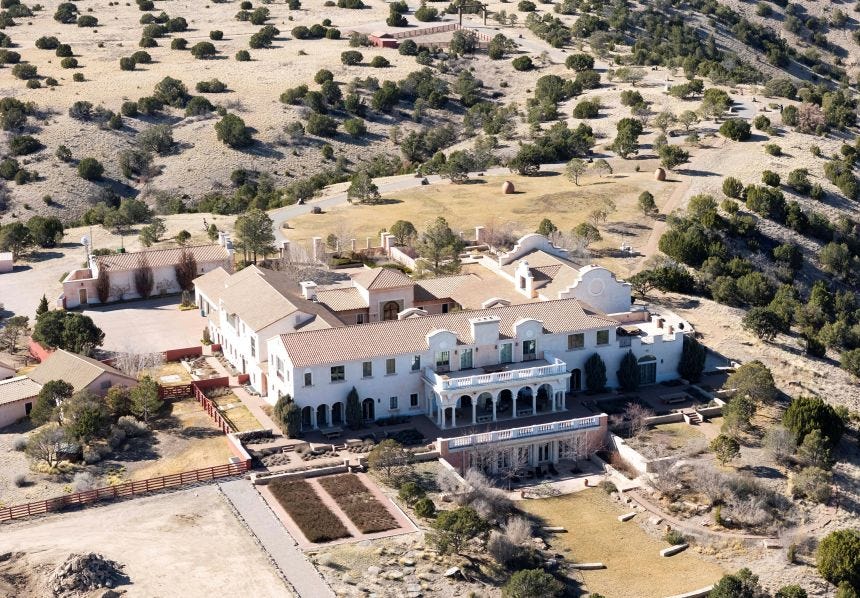
New Mexico wants to prosecute the people who abused girls and women at Jeffrey Epstein’s ranch. Trump’s Justice Department is standing in the way.
On Wednesday, the state sued the DOJ directly, accusing the federal government of stonewalling a criminal investigation into one of the most notorious properties connected to Epstein’s abuse network.
What New Mexico Is Asking For
New Mexico sued the U.S. Department of Justice on Wednesday for access to unredacted files on Jeffrey Epstein, alleging the federal agency was stonewalling the state’s investigation into the late sex offender by refusing to provide the documents.
The Democratic-run state reopened its Epstein investigation in February and requested unredacted U.S. DOJ files to identify visitors and staff at Zorro Ranch, Epstein’s property near Stanley, New Mexico, who allegedly took part in crimes or witnessed them.
This is not a fishing expedition. This is a state attorney general trying to identify specific people who were present while girls and women were being abused, using records the federal government already has in its possession.
Why It Matters
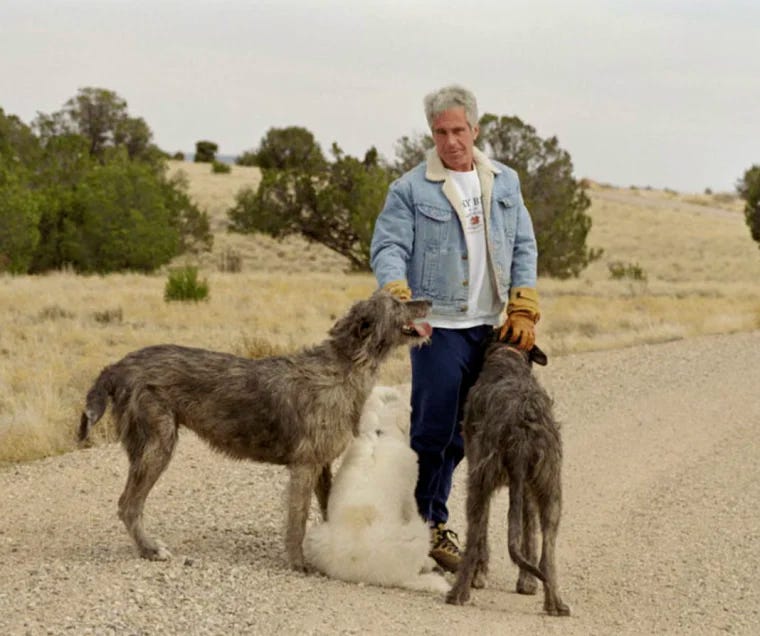
The state probe could have international consequences if it can identify and prosecute figures alleged to have sexually abused girls and women at Epstein’s New Mexico ranch.
Zorro Ranch has been described in prior reporting as a central location in Epstein’s abuse network, and New Mexico lawmakers have separately called for investigation into allegations connected to the property. A state prosecution stemming from these records could reach beyond New Mexico’s borders, depending on who is ultimately named.
A Broken Agreement
This is not the state’s first attempt to get these records. New Mexico authorities claim the DOJ reneged on a 2019 deal, under which the state had agreed to halt its own Epstein probe and hand over evidence to federal investigators in exchange for continued information sharing on alleged survivors and crimes.
New Mexico held up its end of that agreement years ago. The lawsuit alleges the federal government has not held up its end now that the state needs the information back.
The DOJ’s Response
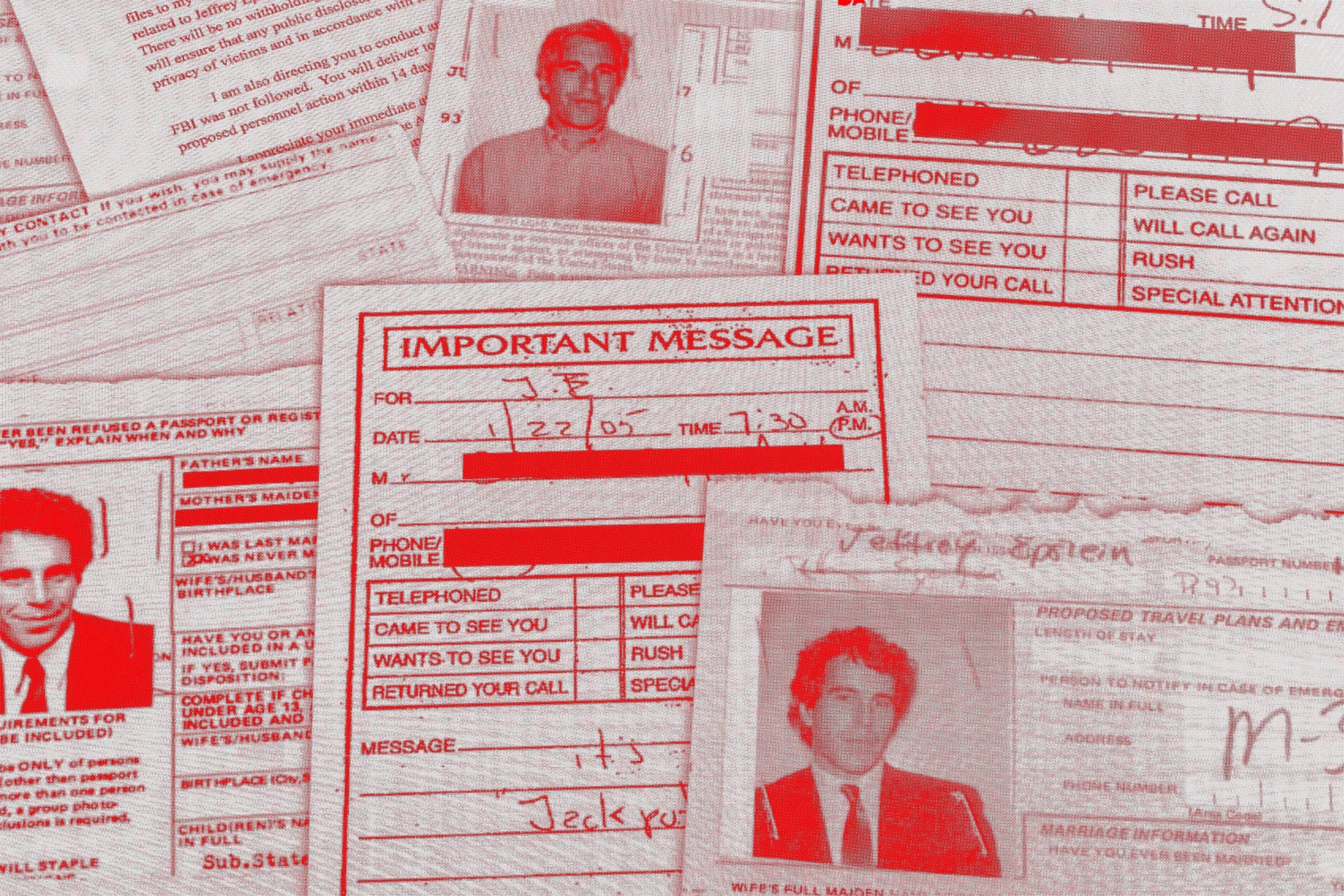
In response to the lawsuit, the U.S. DOJ said that under the Epstein Files Transparency Act and existing protective court orders, it was neither required nor permitted to disclose victim-identifying information. The department has said it provided some files but was prevented from supplying other material due to privacy protections.
The DOJ has not denied withholding documents. It says the law prevents it from doing otherwise. New Mexico’s lawsuit disputes that characterization and is now asking a court to decide who is right.
The Obstacles Ahead
New Mexico Attorney General Raúl Torrez has been candid about how difficult this investigation already is, independent of the DOJ dispute. He has said the state investigation faces considerable obstacles, including the decades that have elapsed since Epstein’s alleged crimes, the disappearance of evidence after the ranch was sold in 2023, and possible jurisdictional issues surrounding any potential prosecutions.
The ranch itself changed hands in 2023, purchased by the family of Texas comptroller candidate Don Huffines through an anonymous LLC, a sale that only became public knowledge earlier this year.
Time, ownership changes, and now a federal agency withholding evidence. Torrez is asking a court to remove at least one of those obstacles.
The Bottom Line
A state attorney general is trying to prosecute people who allegedly abused girls and women at Jeffrey Epstein’s ranch. The federal government, run by an administration that has spent much of the past year fighting to limit what becomes public about the Epstein files, is refusing to turn over the exact records the state says it needs to identify those people.
The DOJ says the law ties its hands. New Mexico says that’s not true, and it’s now up to a federal judge to decide.
The people who were at Zorro Ranch and took part in or witnessed crimes there are still, as of this lawsuit, unidentified in public records. That is what New Mexico is trying to change.