


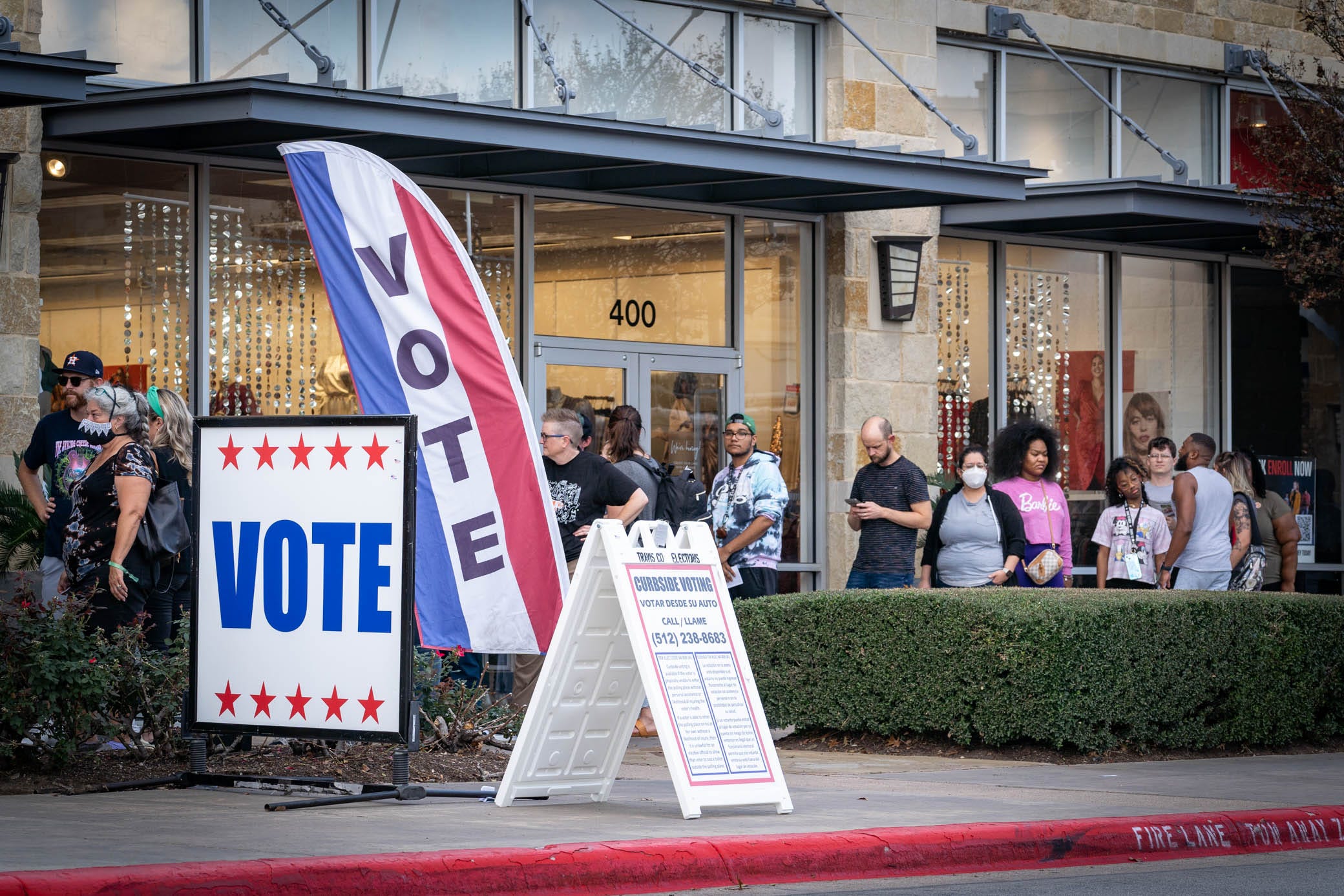
Six percent of all registered voters in Texas, more than 1.2 million people, currently have suspended voter registrations. Many of them have no idea. This is happening in a state handing its voter rolls over to the Trump administration, three months before a Senate race where the Democrat is currently leading the sitting Republican Attorney General.
More than 1.2 million Texas voters, roughly 6 percent of the state’s 18 million registered voters, currently have suspended voter registrations heading into November’s midterms, and many of them likely don’t know it.
What “Suspense” Means, and Why It Matters
A suspended registration doesn’t outright cancel someone’s right to vote. It typically means the county doesn’t have a current address on file, usually because a mailed voter registration card or jury summons came back undeliverable. Suspended voters can still cast a ballot, but it comes with extra friction: if a voter shows up on Election Day still on the suspense list, they have to fill out a “statement of residence” form, and if they’ve moved to a new county, they’ll either have to vote in their old one or be handed a provisional ballot instead of a regular one.
That’s friction that falls disproportionately on people who’ve moved recently, renters, students, and lower-income voters most likely to relocate between election cycles, exactly the groups most likely to get quietly filtered out of a process most Americans assume is automatic.

The Numbers, County by County
The suspensions aren’t evenly spread across the state. Local totals cited by the Dallas Morning News include more than 129,000 suspended voters in Dallas County alone, more than 73,000 in Tarrant County, and nearly 56,000 each in Collin and Denton counties. These are some of the state’s largest and most politically competitive counties, exactly where a close statewide race could be decided by turnout at the margins.
To be fair to the state’s side of this: a spokesperson for the Texas Secretary of State’s office told Fox 26 that this number “isn’t atypical” ahead of an election, given how large the state’s voter rolls are, and voters remain on the suspense list for up to four years, or two full election cycles, before being removed from the rolls entirely.
The Deadline Is October 5, and Time Is Already Short
Voters have until October 5 to fix their registration and get off the suspense list before Election Day. They can check their status and update their address directly through the Texas Secretary of State’s website, at a county election office, or by mail, and will need a current driver’s license or ID, Social Security number, and their Voter Unique Identifier Number from their registration card.
The problem is straightforward: with a number this large, the message that action is even needed may simply never reach many of the 1.2 million people affected in time, especially anyone who hasn’t actually moved and is on the list purely because of a clerical mail issue outside their control.

Why the Timing Couldn’t Be Worse
This isn’t landing in a low-stakes cycle. Texas’s Senate race is currently a toss-up, with Democratic state Senator James Talarico holding a narrow polling edge over Republican Attorney General Ken Paxton. In a race that close, a suspended-registration problem affecting over a million people isn’t a footnote. It’s the kind of number that can single-handedly decide who represents Texas in the Senate for the next six years.
The timing carries an added layer of concern given that Texas is currently cooperating with the Trump administration’s push to gain access to state voter rolls nationwide, a federal effort that has raised its own separate questions about voter privacy and the potential for political interference in how states manage their registration lists.
The Bottom Line
More than 1.2 million Texans currently have suspended voter registrations heading into a Senate race that could come down to a razor-thin margin, and many of them have no idea their status has changed. The state says the number is routine. Whether that’s true or not, the deadline to fix it is October 5, and the affected voters skew toward exactly the populations, renters, movers, and lower-income residents, who are least likely to hear about the problem before it’s too late to matter.