


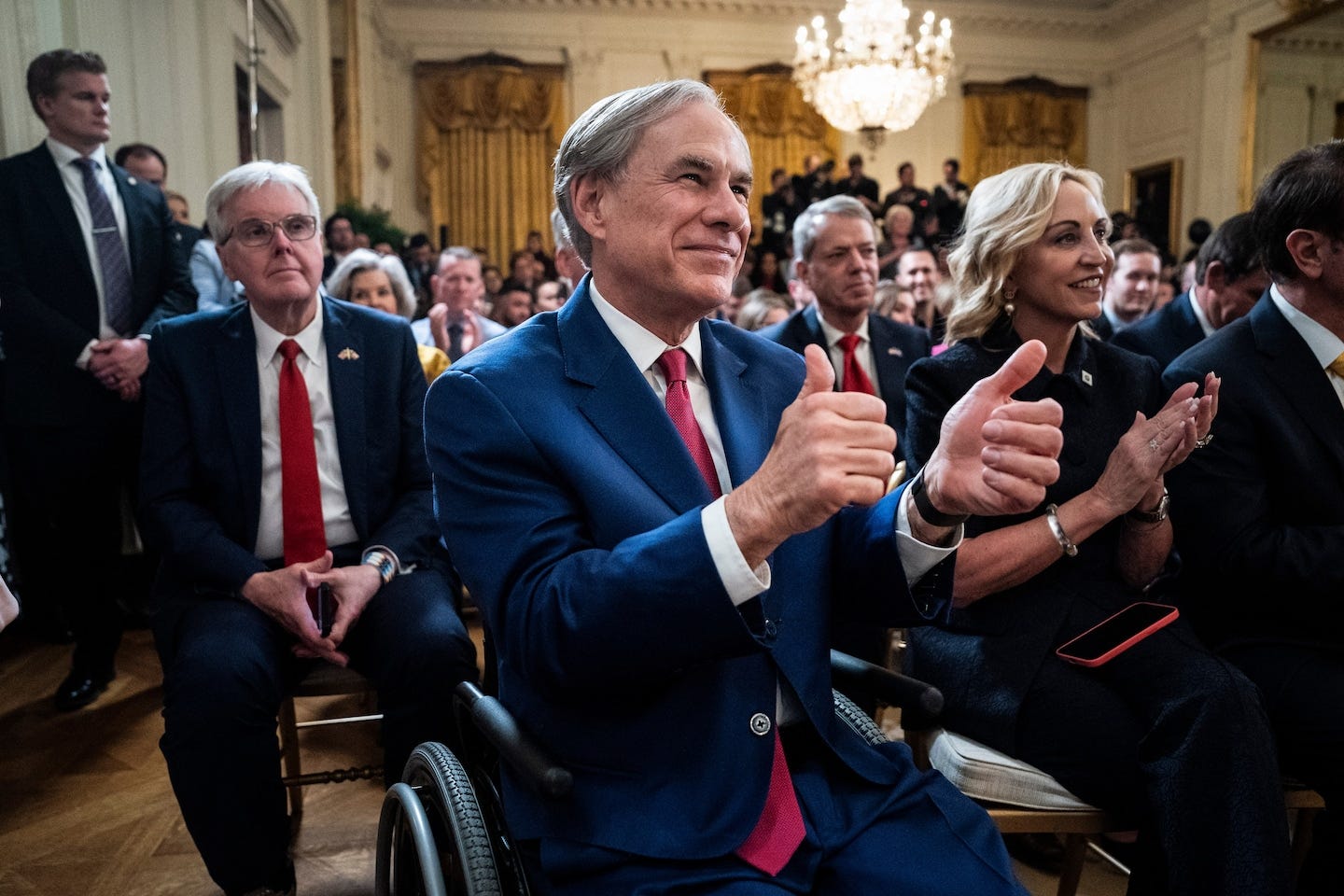
Republicans in Tarrant County want fewer places for 2 million Texans to vote this November, in the exact election where their own candidate, Ken Paxton, is locked in a dead heat with James Talarico. The NAACP and ACLU say the cuts will hit minority voters hardest. Local Republican officials insist it’s just about saving money. Democrats aren’t buying it.
Republican-led officials in Tarrant County, Texas, are pushing a plan to reduce the number of polling locations available this November, drawing sharp protests from Democrats and voting rights groups who say the cuts could disenfranchise voters in one of the country’s most closely watched midterm elections.
What Republicans Are Actually Proposing
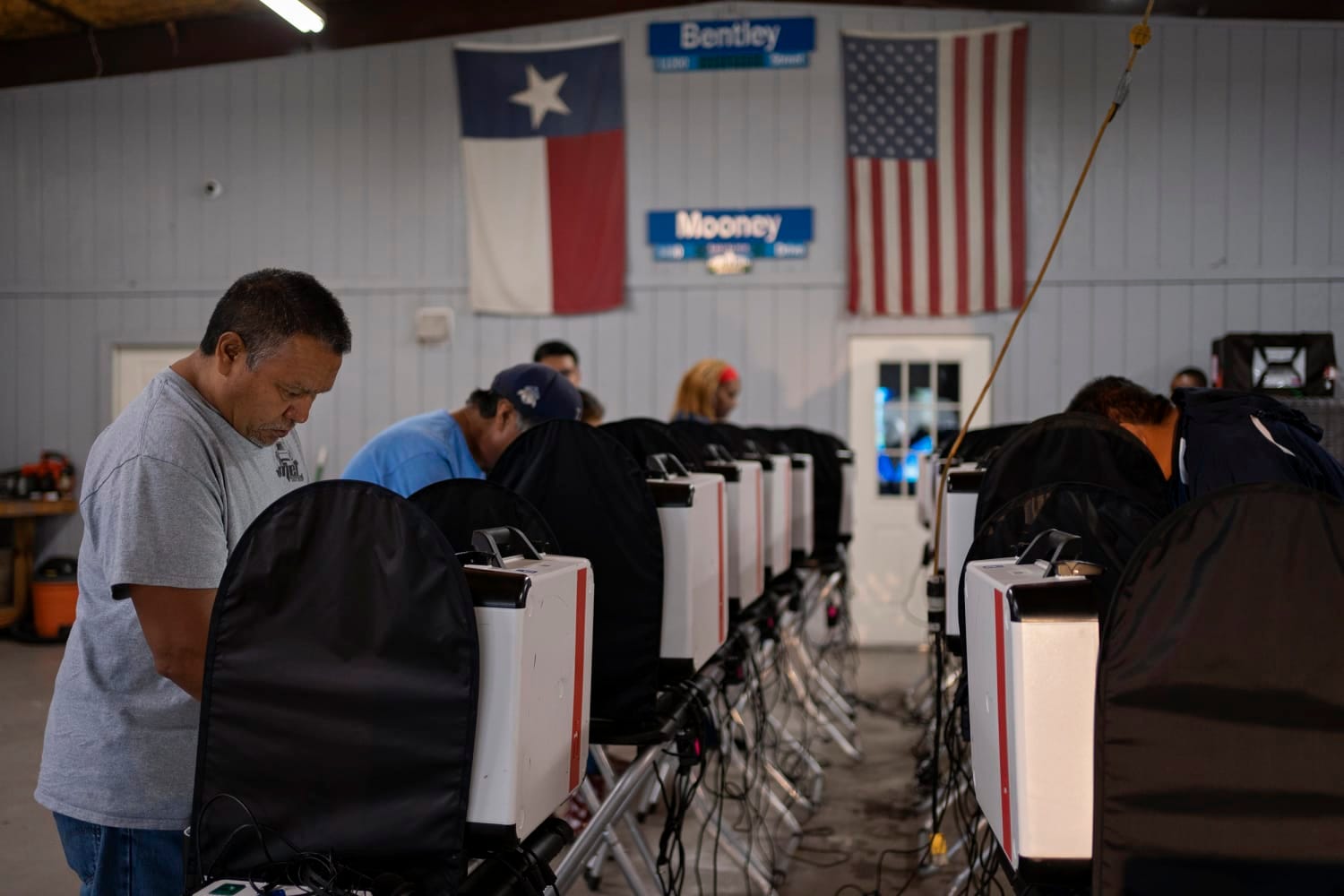
The proposal, set for a vote Tuesday, would cut the number of Election Day polling sites across Tarrant County, Texas’s third-largest county, home to more than 2 million people and covering Fort Worth, a county Republicans have overseen through their local election administration. County officials frame it as a cost-saving move, eliminating what they describe as low-turnout locations while still leaving voters with more than 200 places to cast ballots.
Tarrant County Elections Administrator Clint Ludwig said the reductions target sites that “serve few people,” and officials said sites near bus stops that meet federal accessibility requirements were prioritized to stay open, with the average distance between remaining Election Day sites coming out to about 1.5 miles.
That framing hasn’t satisfied critics, who point out that Republicans deciding which polling sites are worth keeping is exactly the kind of decision that quietly shapes who finds it easy to vote and who doesn’t, without ever needing an outright ban to accomplish it.
Voting Rights Groups Are Calling This Out by Name
On Friday, the NAACP and the American Civil Liberties Union joined other voting rights organizations in a formal letter urging Tarrant County to reject the plan, warning the closures would land hardest in neighborhoods with high concentrations of minority voters. About a third of Tarrant County’s residents are Hispanic, and roughly 19.2% are Black, according to Census data, populations Republican-drawn maps and Republican-run election policy in Texas have already faced repeated legal challenges over in recent years.
Tarrant County adopted countywide voting back in 2019, meaning voters can cast a ballot at any polling site in the county rather than being tied to one specific precinct. But the county didn’t move to reduce its number of polling locations until now, timing that critics find impossible to separate from the stakes of this particular election, a Senate race Republicans are increasingly worried about losing.
Talarico Is Calling This What It Is
Democratic state Rep. James Talarico, the party’s Senate nominee, publicly urged the county to reject the proposal at a news conference Sunday, framing it in stark terms: “The most powerful people in this county, the most powerful people in this country, don’t want us to be able vote easily.”
That’s not rhetoric pulled from nowhere. Talarico has already lived through a version of this exact playbook once this cycle. During the Democratic Senate primary earlier this year, a state judge ordered Dallas County polls to stay open two extra hours after “mass confusion” broke out when Republicans opted out of a joint countywide voting agreement, leading to hundreds of voters reportedly being turned away from precincts. Ken Paxton’s own campaign personally intervened at the time, asking the Texas Supreme Court to immediately block that extension, which it did, ordering election officials to separate out any ballots cast during the extra window Republicans had fought to eliminate.
Talarico’s Democratic primary rival at the time, Rep. Jasmine Crockett, said flatly of that episode: “I can tell you now that people have been disenfranchised.” Now, months later, it’s Republicans in a different county pursuing a different mechanism, fewer polling sites instead of shorter hours, but aimed at the same outcome heading into the same race.

Paxton’s Campaign Won’t Answer for It
Spokespeople for Paxton did not respond to emails seeking comment on the Tarrant County proposal. Texas law leaves polling-site decisions up to each of the state’s 254 counties individually, which means there’s no single Republican state mandate forcing this specific cut, but it also means Republican officials at the local level are making this choice entirely on their own, with no one above them requiring it and no one in Paxton’s campaign willing to say a word about it.
Why the Timing Matters So Much
This isn’t unfolding in a low-stakes race. Talarico and Paxton are locked in one of the tightest Senate contests in the country. A recent Emerson College poll found the race sharply age-divided, with voters under 50 breaking for Talarico by 15 points and voters over 50 favoring Paxton by 11, results consistent with other surveys showing the race within the margin of error.
In a contest this close, in a state where Republicans have run the levers of election administration for years, a reduction in polling access isn’t a minor bureaucratic decision. It’s the kind of change that can shape who actually shows up to vote and who gets quietly filtered out along the way, right when Republicans need every advantage they can get.
Tarrant County’s Republican-run election administration says cutting polling sites is about efficiency, not politics. Voting rights groups, the NAACP, the ACLU, and Talarico’s own campaign say the timing, right before the closest Senate race Texas Republicans have faced in years, and the pattern, cuts concentrated in areas with large minority populations, tell a very different story. The vote on the proposal was scheduled for Tuesday, with the outcome set to shape how easily more than 2 million Tarrant County residents can cast a ballot this November, in an election Republicans increasingly can’t afford to leave to chance.