

BREAKING: Over 300 of Trump's Bank Accounts SHUTDOWN For Alleged Money Laundering

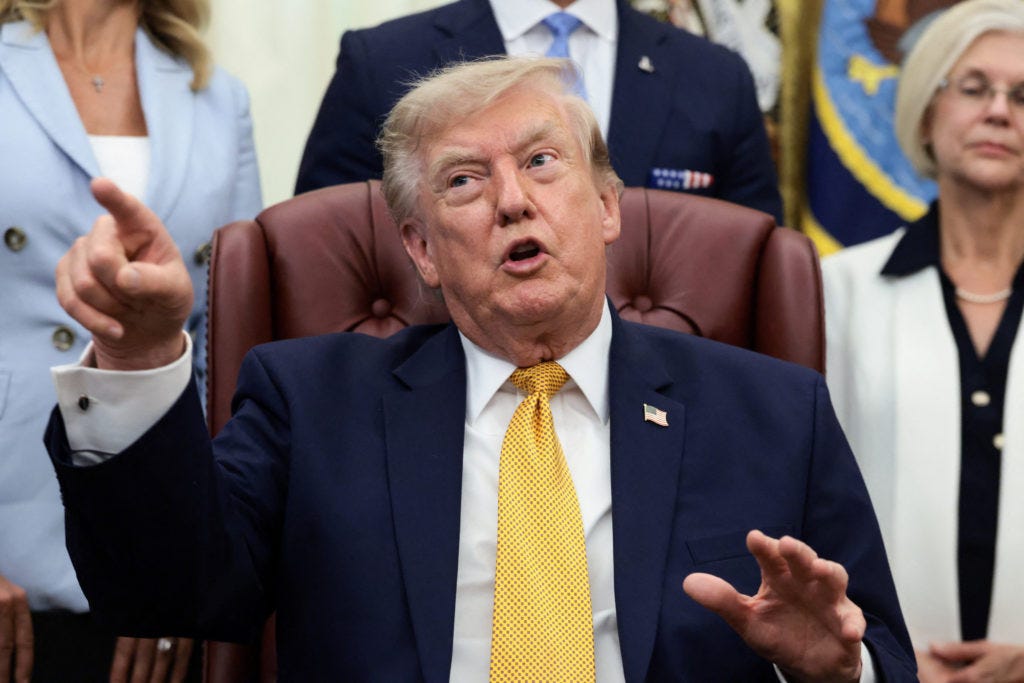
Donald Trump has spent years claiming his family’s businesses were “debanked” for political reasons after January 6th. He sued Capital One over it. He sued JPMorgan Chase over it. He signed an executive order about it. He built a narrative that Wall Street was punishing him for his politics.
On Friday, Capital One filed its answer in court. It is not the story Trump has been telling.
What Capital One Said
Capital One Financial hit back against a lawsuit over its decision to close the Trump Organization’s bank accounts years ago, stating that it did so after a review by anti-money laundering experts. The disclosure marks the first time a bank has formally tied money laundering concerns to Trump’s family business.
Capital One’s attorneys wrote in the filing that the bank had closed hundreds of Trump Organization accounts in 2021 for legitimate reasons, following an internal review by the bank’s anti-money laundering team. The motion states plainly: “documents and Plaintiffs’ own allegations make clear that Capital One closed Plaintiffs’ accounts for anti-money laundering (’AML’) reasons.”
“The closures were the result of months of analysis and a careful review by Capital One’s AML team in accordance with bank policies and regulatory guidance,” the filing reads.
Not a political decision made in a moment of outrage after January 6th. A monthslong internal compliance review.
What Capital One Is Not Saying
It is worth being precise about what this filing does and does not claim. Capital One has never accused the Trump Organization of illegal money laundering. The bank’s position is that its own internal review process, not political retaliation, is what triggered the account closures. That is a materially different claim than accusing Trump of a crime, but it directly undercuts the “debanked for political reasons” narrative Trump has built his lawsuits around.
Why This Matters
Capital One is using this claim for a specific legal purpose: to get the lawsuit thrown out entirely. The bank argues it had no obligation to explain the closures in the first place, and separately argues that federal banking-secrecy law would have barred it from disclosing internal anti-money-laundering findings even if it had wanted to.
In other words, Trump’s own lawsuit forced disclosure of exactly the kind of information the bank says it’s normally not allowed to share.
This Fits a Pattern
Trump’s fight with Capital One is not an isolated grievance. It is part of a broader, multi-year effort by Trump and his sons to reshape how banks are allowed to treat them, and to cast every past account closure as evidence of political persecution.
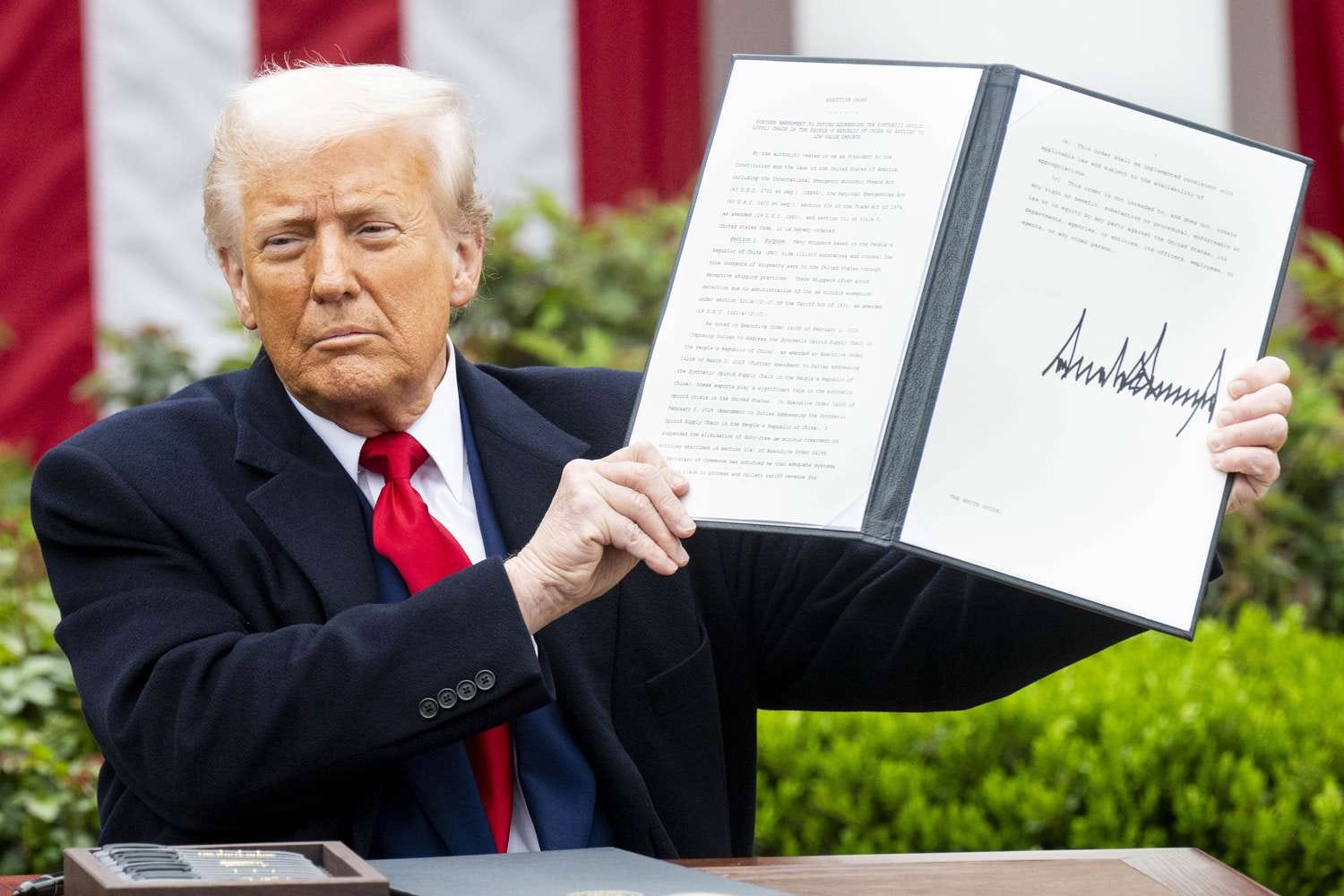
Trump signed an executive order in August 2025 barring what the administration calls discriminatory debanking. In January, Trump filed a separate suit against JPMorgan Chase on the same grounds. Some Republican state attorneys general, including Florida’s James Uthmeier, have pursued their own investigations into similar allegations against banks.
This is not new territory for Trump and this particular bank, either. In 2019, during his first term, Trump sued Capital One and Deutsche Bank in an attempt to prevent them from sharing his financial records with Congress, which was investigating him at the time. Notably, anti-money laundering professionals at Deutsche Bank reportedly flagged a set of Trump-linked transactions years ago, and executives at that bank ignored the warnings. Deutsche Bank denied that report when it surfaced.
Two different banks. Two different sets of anti-money laundering staff. Two different sets of concerns raised internally about Trump’s finances.
What Happens Next
A federal judge will now decide whether to dismiss Trump’s lawsuit based on Capital One’s filing. In a separate motion, Capital One also asked the court to keep sealed a portion of one exhibit containing material it says is protected under the Bank Secrecy Act, along with employee names, customer account numbers, and unrelated compensation details. The Trump companies don’t oppose sealing the account numbers, but are contesting several other redactions Capital One wants to keep in place.
That means there could be more in Capital One’s file than what the public has already seen.
The Bottom Line
Donald Trump has spent years telling the public and the courts that his businesses were debanked for political reasons. One of the banks he sued over it just said, on the record, in a federal court filing, that the real reason was a monthslong internal review flagging anti-money laundering concerns.
Capital One is not accusing the Trump Organization of a crime. But it is directly contradicting the political persecution story that has anchored multiple Trump lawsuits and at least one executive order.
The case is now before a judge who will decide whether Trump’s lawsuit survives contact with Capital One’s own explanation.