



For the first two years after the Supreme Court overturned Roe v. Wade, the evidence that people were leaving states with abortion bans was mostly anecdotal. Individual stories. A few interviews.
That is no longer the case. New research using rigorous economic methodology confirms it: people are leaving red states. And the states losing them are losing exactly the residents they can least afford to lose, due to poor and unsafe living conditions.
The Numbers
States with total abortion bans collectively lost about 128,700 residents in the first year following the Dobbs decision, according to Jason Lindo, an economist at Georgia Tech, and his coauthors, in a widely read study published by the National Bureau of Economic Research. If those trends continue over five years, Lindo says it would mean a nearly 1% population loss for ban states compared to states with reproductive healthcare protections.
The study used difference-in-differences methodology, a gold standard approach in economics, comparing U.S. Postal Service change-of-address data in ban states against protection states before and after Dobbs. A separate study, published this week in JAMA using the same methodology, found a significant number of people have left ban states as well.
Two independent studies. Two different research teams. The same conclusion.
Who Is Leaving
The Postal Service data doesn’t tell researchers exactly who these movers are. But other evidence fills in the picture, and it is not encouraging for the states doing the losing.
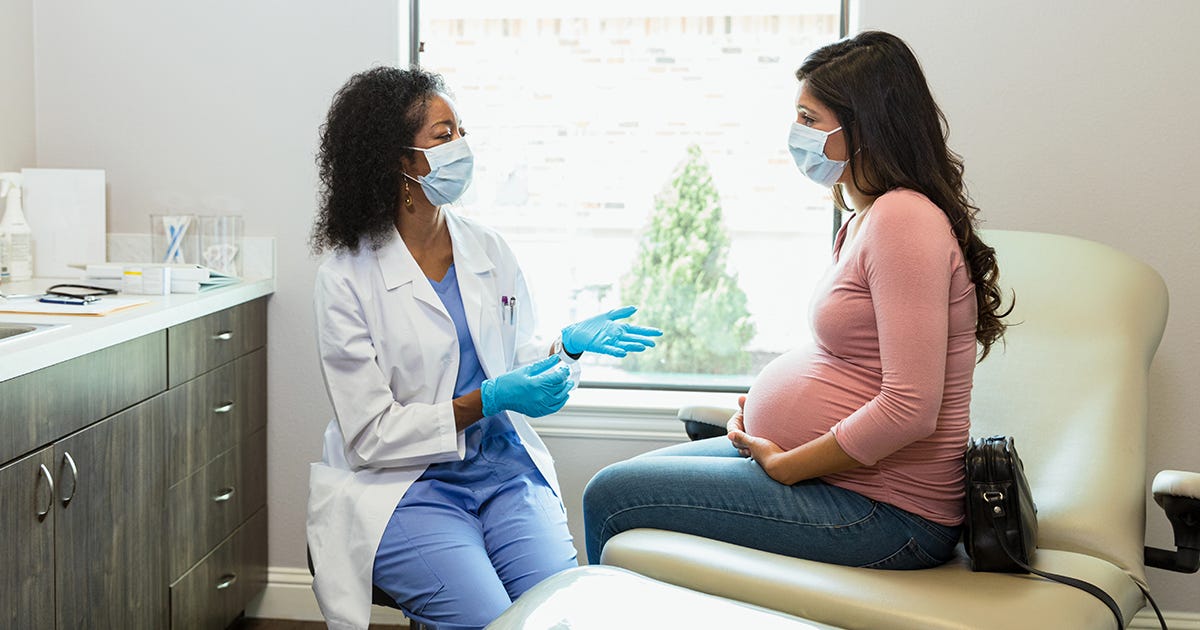
We do know some movers are OB-GYN doctors, high-income professionals critical to a state’s infrastructure. Employers say the bans make it harder to recruit talent generally. The people leaving are often high-earning young adults in key public health roles, at the start of their professional lives, and typically the exact demographic planning to start families.
“It’s a classic case of brain drain,” said Julia Taylor Kennedy, senior director at the Center for Reproductive Rights.
States are not just losing residents. They are losing doctors, especially the doctors who deliver babies and manage pregnancy complications, in states where those services are now legally constrained.
It’s Not Just People Who Have Left. It’s People Who Are Planning To.
The data captures actual departures. Survey data shows the pool of people considering leaving is much larger.
One in five adults planning to have children in the next decade said they either have moved out of a red state, or know someone who has, because of abortion restrictions, according to a survey conducted by Morning Consult and the Center for Reproductive Rights.
“If you’re like, I’m trying to get pregnant, if I have a complication, I don’t want to fall into some gray area about whether I’m going to be able to get life saving care,” said Kennedy. “I’m going to move to a place where I know I can get it.”
What This Looks Like for One Family
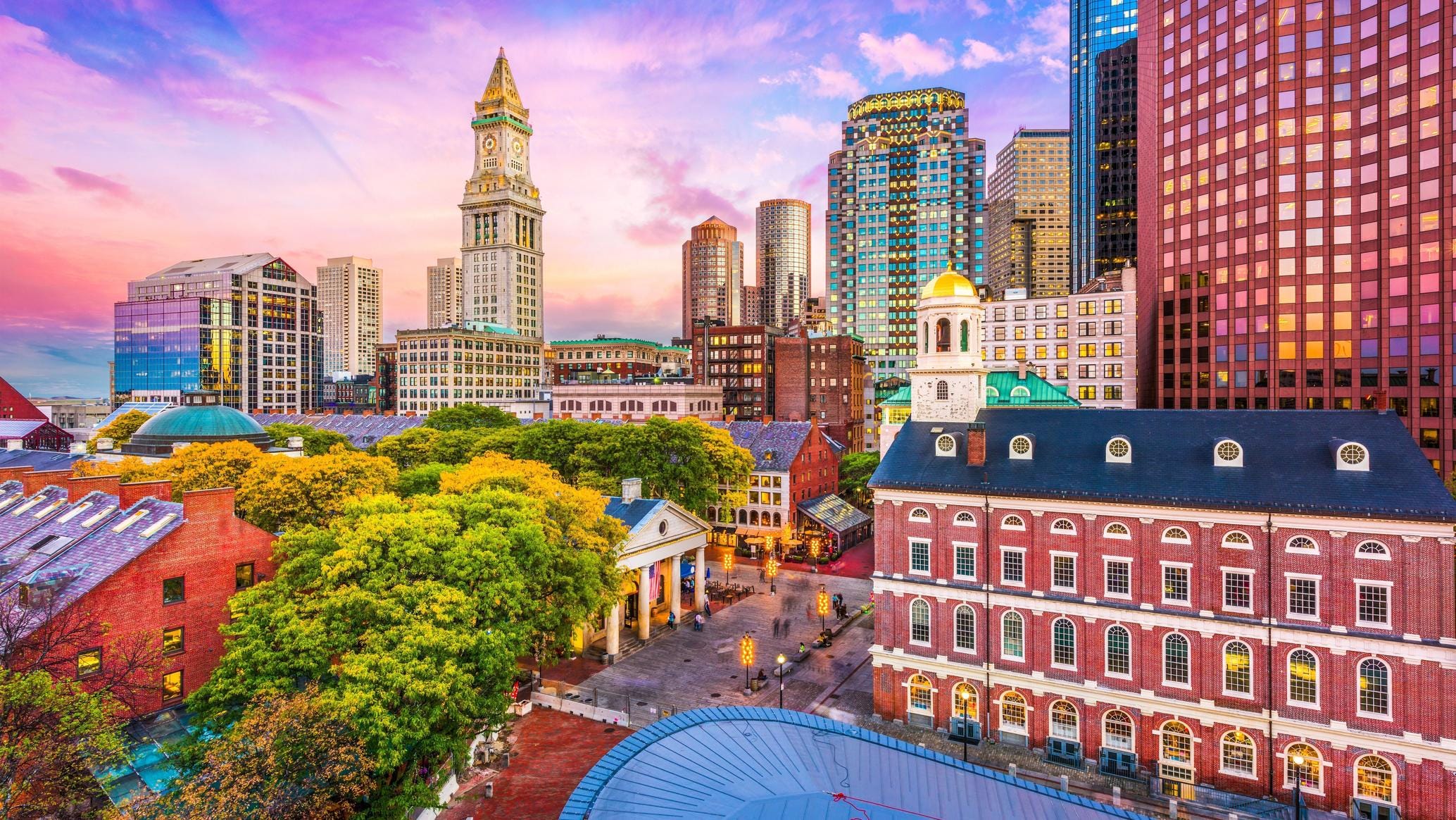
Amanda Ducach is the CEO of a women’s health AI company. She moved her family and her company’s headquarters from Houston to Boston.
“It was a big decision,” she said. Ducach was pregnant with her second child when Dobbs was decided while living in Texas, which has one of the strictest abortion bans in the country. She described the stress of that timing, along with concern about running a women’s health company in a state restricting access to the exact kind of care her business focused on.
“It’s not a political statement,” she said. For her, it was a matter of mitigating risk. She also noted that leaving a low-tax state like Texas was a costly move financially, underscoring that this wasn’t a decision made lightly or for convenience.
Why This Matters Economically
This isn’t only a story about reproductive rights. It’s a story about state economies.
The departures represent an economic hit to red states beyond the individual family decisions behind them. The people leaving tend to be valuable contributors: high earners, healthcare professionals, and people in the early, most productive stretch of their careers. Losing them at scale compounds over time, in tax revenue, in healthcare capacity, and in the talent pool employers in those states depend on.
The Bottom Line
Two rigorous, independently conducted studies now confirm what used to be treated as anecdote: abortion bans are driving people out of the red states that enacted them. Roughly 128,700 people left ban states in the first year alone. The departures are concentrated among exactly the people those states need most, including OB-GYNs and other healthcare professionals.
Given how difficult and costly moving actually is, the fact that people are doing it anyway, over reproductive healthcare access, says something significant about how seriously they are weighing the risk.
Red states are in serious trouble, and their harmful policies are causing the exodus.