


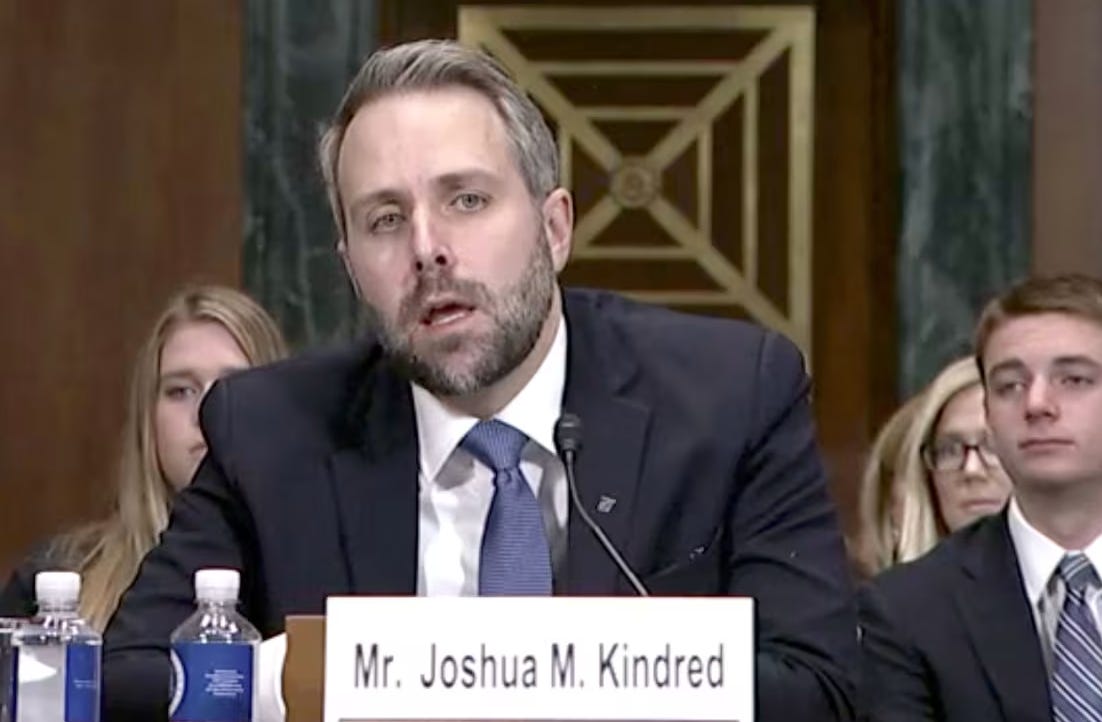
A federal judge nominated by Donald Trump resigned in disgrace back in 2024 after an investigation found he had sexually harassed his law clerks, lied to investigators about it, and turned his chambers into what officials describe as a hostile and abusive workplace.
He sat on the federal bench for four years before anyone made him answer for it.
What the Investigation Found
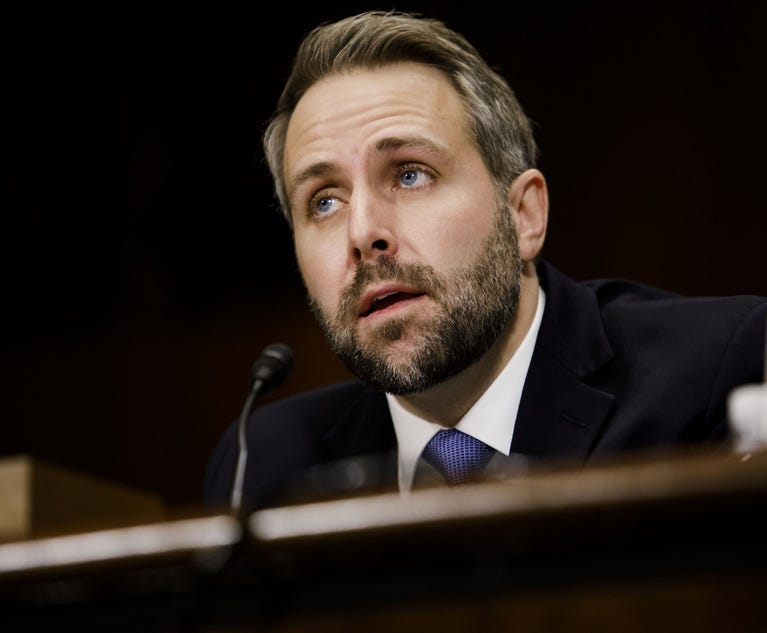
U.S. District Judge Joshua M. Kindred resigned in July 2024 after the Judicial Council of the 9th Circuit asked him to step down voluntarily. The council’s 30-page order, the product of a year-long investigation, concluded that Kindred’s misconduct was “pervasive and abusive, constituted sexual harassment, and fostered a hostile work environment that took a personal and professional toll on multiple clerks.”
The details are damning. Kindred is accused of carrying on what investigators called an “inappropriately sexualized relationship” with a former law clerk, one that continued even after she left his chambers to become an assistant U.S. attorney. In one incident, he allegedly kissed her and grabbed her after inviting her out for drinks. In another, he is accused of putting his hands on her and performing oral sex on her after urging her to meet him at an associate’s apartment.
Investigators reviewed hundreds of pages of text messages documenting his behavior, including his habit of rating people’s “f---ability,” boasting that he was not “hoe-ignorant,” and telling stories about sex acts in hot tubs, all directed at the young clerks working under him.
When clerks tried to raise concerns about his conduct, the order found, they were belittled or ostracized. One left the clerkship entirely rather than continue working for him.
The investigation also found that Kindred lied. He made false statements and obstructed the proceedings when investigators asked him about his relationship with the clerk.
In his own response, Kindred admitted he had “failed to exercise appropriate boundaries and crossed lines I should not have crossed.”
How He Got the Job
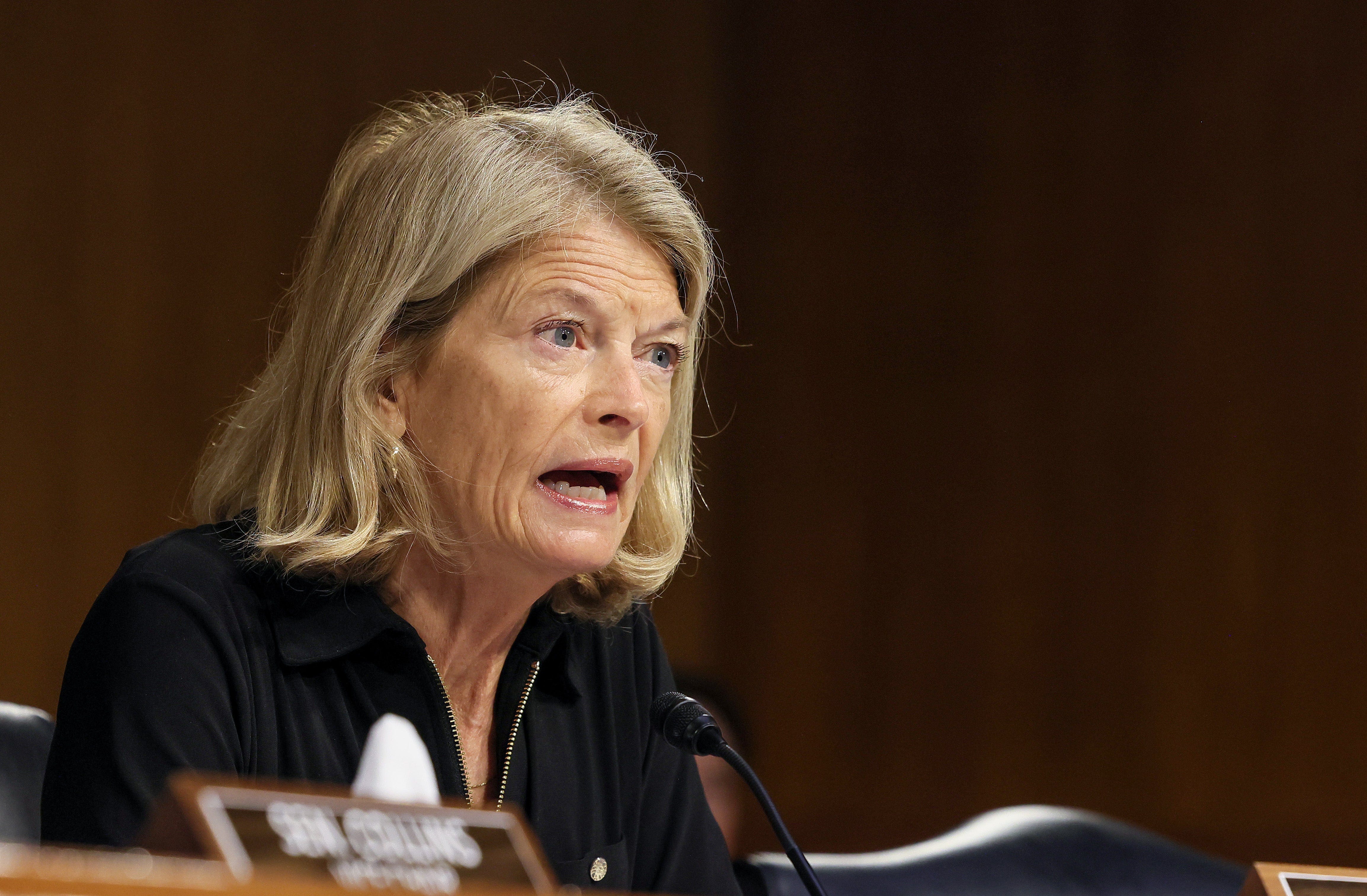
Kindred was nominated by Donald Trump and confirmed by the Senate in 2020 on a 54-41 vote that broke down almost entirely along party lines. Not a single Republican senator voted against him.
This was not a borderline pick scrutinized and waved through on thin margins. It was a party-line confirmation, pushed through by a Republican majority, for a man who would go on to use his lifetime appointment to sexually harass the young attorneys entrusted to his chambers.
Federal judgeships are not temporary postings. They come with lifetime tenure specifically so judges can act independently, free from political pressure. That same lifetime tenure is exactly why the confirmation process is supposed to matter, why senators are supposed to take seriously who they are putting on the bench for the rest of that person’s working life.
Every Republican senator who voted to confirm Kindred put a man on the federal bench who would go on to abuse that position for years before anyone held him accountable.
The Aftermath
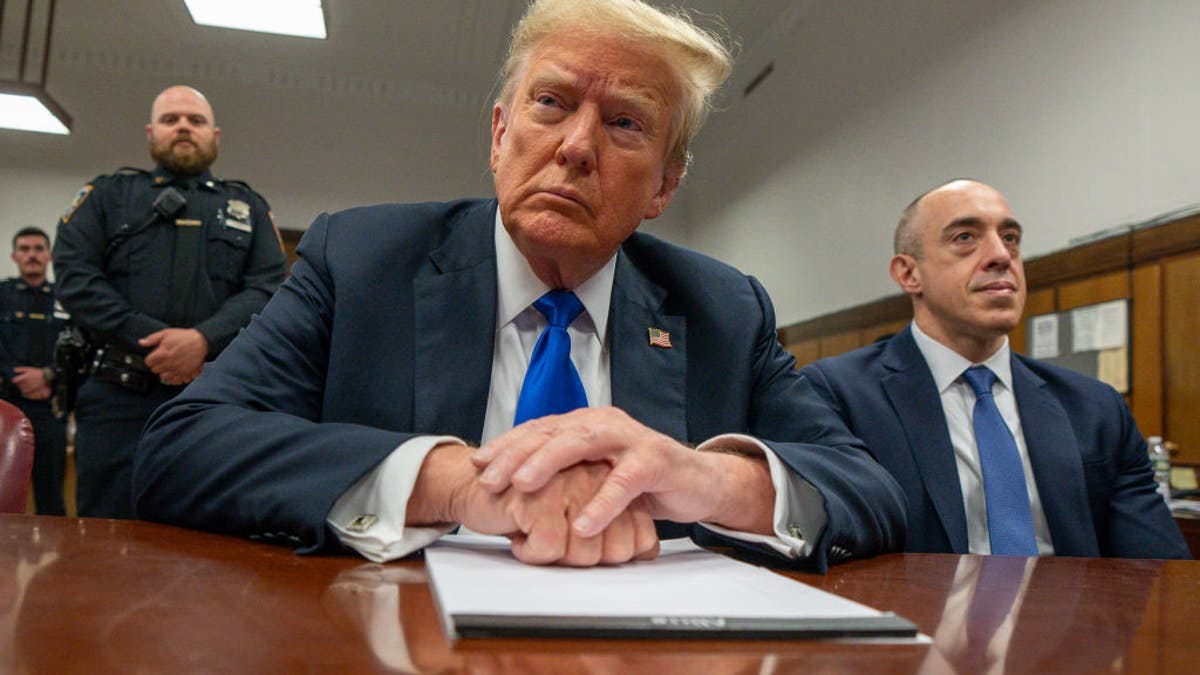
Even Alaska’s Republican senator, Lisa Murkowski, who voted for Kindred’s confirmation in 2020, acknowledged the severity of what investigators found.
“Judges need to be held to the highest of standards and Mr. Kindred fell well short of that mark,” she said following the resignation, adding that she would move quickly to find a replacement.
That statement was true. It was also four years late.
The young women who clerked for Kindred spent years working in an environment that the federal judiciary’s own investigators officially described as hostile, abusive, and defined by sexual harassment. They endured it inside the chambers of a man whose job was supposedly too important to be subject to anything less than the Senate’s full scrutiny.
The Senate gave him that job anyway, with zero Republican objections, and it took an investigation, a 30-page order, and years of damage to multiple clerks before he was finally asked to leave. Two years later, that confirmation vote remains a stain on the Republicans who cast it without a second thought.